Emma Stark provides a comprehensive analysis on the value and historical context of the half dollar in her latest article, published on Thursday, January 22, 2026 at 05:56 AM.
The half dollar is a coin worth 50 cents, which is half of a United States dollar. It is also known as a 50-cent piece. The half dollar has been produced in various designs and compositions, with the most recognized being the Kennedy half dollar, minted since 1964.
Historically, the half dollar has been used as both a circulating coin and a collector’s item, with its value fluctuating based on factors such as minting years, condition, and rarity. Understanding how much a half dollar is worth involves considering these elements, as well as the current market demand.
The face value of a half dollar is always 50 cents, but its collectible value can vary significantly. For example, some early minted half dollars can be worth hundreds or even thousands of dollars depending on their condition and rarity. Moreover, half dollars made prior to 1970 contain 40% silver, contributing to higher intrinsic value, especially with changes in precious metal markets. The half dollar is a coin worth 50 cents

![This image illustrates various designs of half dollars over the years.]
Identifying the precise value of a half dollar requires familiarity with the coin’s design and age, alongside access to market data. Collectors often reference numismatic catalogs or attend coin shows to assess the current pricing trends. For a more precise valuation, engaging with a professional numismatist or a certified appraiser is advisable.
Factors Influencing Half Dollar Value
Several factors contribute to the valuation of a half dollar. These include age, condition, mint marks, and demand amongst collectors. The age of the coin is vital, as older coins tend to be more sought after. Additionally, the coin’s condition, often graded on a scale from poor to uncirculated, can greatly impact its value.
In practice, half dollars minted before 1965 are generally considered more valuable because they contain a higher silver content. The presence of a mint mark—indicating where the coin was produced—can further affect worth, with certain mint marks being rarer than others.
Popular Half Dollar Types
– Kennedy Half Dollar: Introduced in 1964, this coin features President John F. Kennedy. It is very popular among collectors.
– Walking Liberty Half Dollar: Minted from 1916 to 1947, this coin is iconic for its design and is highly valued.
– Franklin Half Dollar: Issued between 1948 and 1963, this half dollar features Benjamin Franklin and is recognized for its historical significance. Produced in various designs and compositions
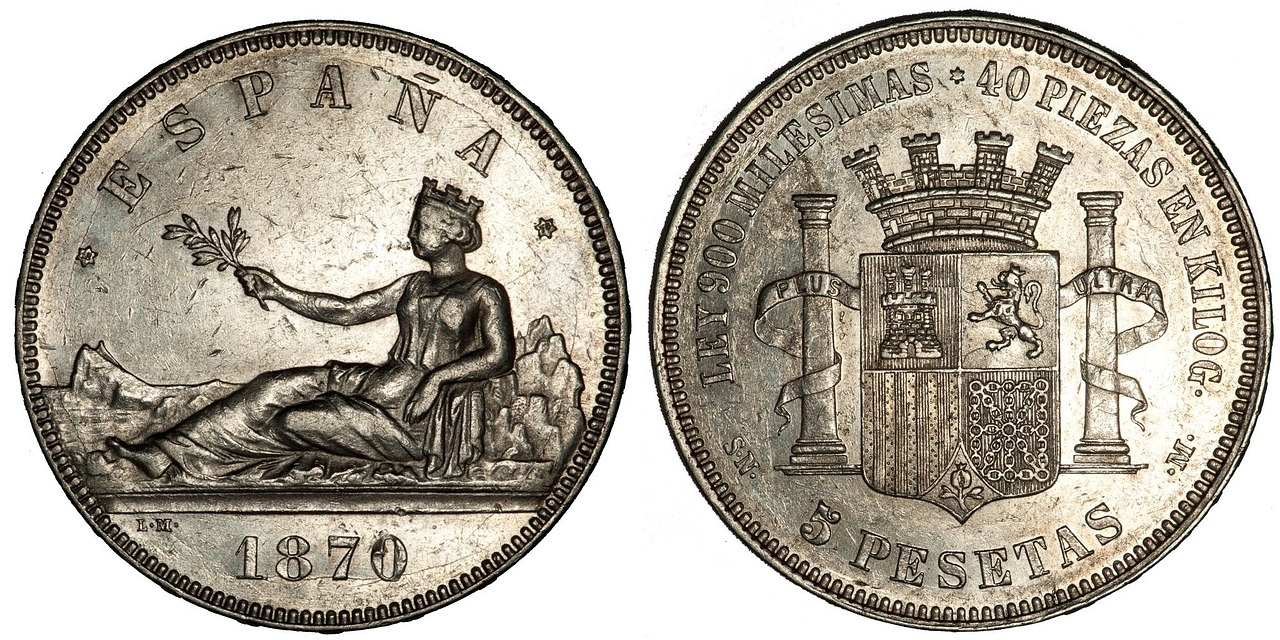
![This visual represents the Walking Liberty half dollar, showcasing its distinct features.]
Tradeoff Considerations
When determining the worth of a half dollar, there are considerations where alternative coins might be more appropriate. For individuals primarily focused on investing in precious metals, coins with higher silver content—like silver bullion—might yield better returns. Collectors looking for less common coins might prefer denominations like quarters or dollar coins, which can sometimes provide better rarity and appeal.
Some may find investing in half dollars not beneficial due to the market’s volatility or the often higher transaction costs associated with lower-value coins. Additionally, niche collectibles may offer greater appreciation potential in certain markets, making them more advantageous than half dollars if one is focused solely on value retention.
Process for Valuing a Half Dollar
1. Identify the type of half dollar and its mint year.
2. Assess the coin’s physical condition using established grading methods.
3. Check for mint marks that may enhance value.
4. Consult numismatic catalogs for the coin’s market value.
5. Analyze current market demand and price trends.
6. If necessary, engage a professional for appraisal.
7. Record this information for future transactions or sales.
Summary Table of Half Dollar Characteristics
| Type of Half Dollar | Mint Years | Approximate Silver Content |
|—————————–|——————|—————————-|
| Kennedy Half Dollar | 1964-present | 40% (1964-1970) |
| Walking Liberty Half Dollar | 1916-1947 | 90% |
| Franklin Half Dollar | 1948-1963 | 90% | Produced in various designs and compositions
This table provides a quick reference for the main types of half dollars, their mint years, and silver content, serving as a foundational guide for collectors.
In summary, half dollars hold consistent face value at 50 cents, but their collectible worth can fluctuate based on several factors. As demand evolves and market conditions change, understanding these dynamics becomes essential for collectors and investors alike.
Key Takeaways
- The current market value of a half dollar coin primarily depends on its composition, age, and demand among collectors.
- As of late 2023, a standard half dollar, particularly the Kennedy series, typically circulates at its face value of 50 cents.
- Coins in mint condition or those that are rare or historically significant may be valued significantly higher than their face value, sometimes exceeding several dollars.
What exactly is the value of a half dollar?
A half dollar is worth 50 cents, which is half of a dollar in U.S. currency. It is commonly represented by the Kennedy half dollar or the Franklin half dollar, both of which are legal tender but may have different collectible values. However, this introduces tradeoffs that must be evaluated based on cost, complexity, or network conditions.
In what situations can I use a half dollar for transactions?
You can use a half dollar to make purchases in cash transactions where coins are accepted. However, some retail establishments may not have the capability or policy to provide change for larger denominations, which could limit its usability.
Are there any risks associated with using half dollars in everyday transactions?
One risk is that half dollars may not be widely recognized or accepted, leading to potential difficulties in cash transactions. Additionally, their collectible value can fluctuate, which means using them for regular purchases may result in a loss compared to saving them as collectibles. However, this introduces tradeoffs that must be evaluated based on cost, complexity, or network conditions.